
Talc & Soapstone Powder
Introduction to Soapstone Powder
Soapstone powder is one of the most useful and versatile natural mineral powders used across industries worldwide. It comes from soapstone rock, a metamorphic rock mainly composed of talc (hydrated magnesium silicate). When ground into a fine powder, soapstone exhibits remarkable properties such as softness, heat resistance, non-toxicity, and excellent absorbency.
This powder is used in industries like paints, plastics, rubber, ceramics, food, cosmetics, and pharmaceuticals. Beyond industrial use, it plays an important role in personal care products, acting as a base ingredient in baby powders, compact powders, and skincare formulations.
Its unique characteristics—like low hardness, chemical inertness, and moisture absorption ability—make it an irreplaceable choice for manufacturers. Whether in modern industries or traditional applications, soapstone powder continues to be in high demand globally.
What is Soapstone Powder?
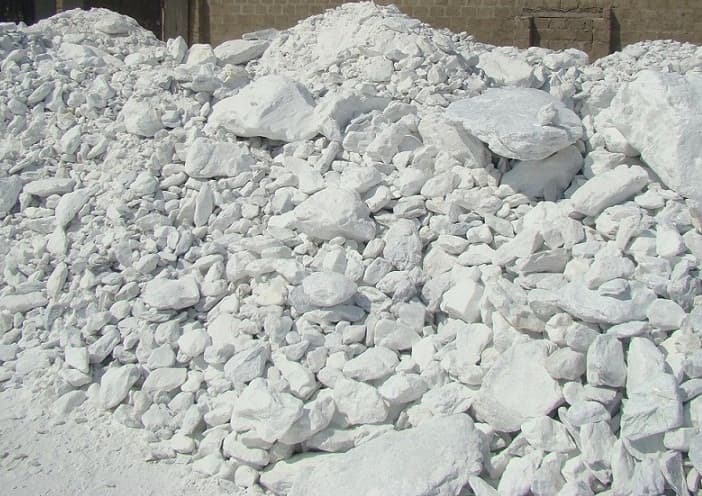
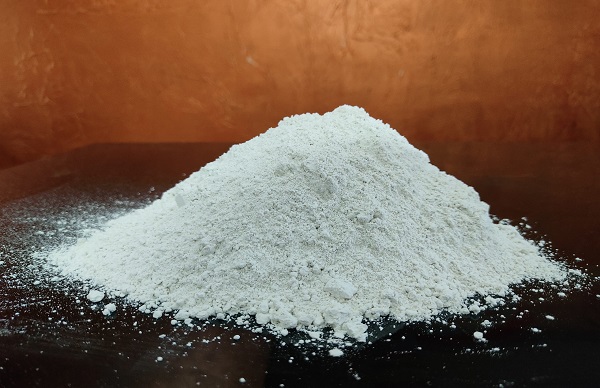
Soapstone powder is produced by crushing and grinding soapstone rock until it becomes fine and silky. The main ingredient, talc, is known for being the softest mineral on the Mohs hardness scale (1 out of 10).
Other elements found in soapstone powder include:
- Magnesium
- Silicon
- Oxygen
- Hydroxyl groups (-OH)
- Small amounts of iron, aluminum, or calcium (depending on the source)
Because of this unique mineral structure, soapstone powder is:
- Smooth and silky to touch
- Highly resistant to heat and electricity
- Non-reactive with most chemicals
- Gentle on the skin
Composition and Properties of Soapstone Powder
The popularity of soapstone powder lies in its chemical and physical properties, which make it suitable for a wide range of industries. Let’s break them down.
Chemical Composition
Soapstone, also known as steatite, is primarily composed of talc (Mg₃Si₄O₁₀(OH)₂).
The exact composition may vary slightly depending on the source of the mineral, but generally it contains:
- Silicon Dioxide (SiO₂): 60–65%
- Magnesium Oxide (MgO): 30–33%
- Aluminium Oxide (Al₂O₃): 0.2–1.5%
- Calcium Oxide (CaO): 0.5–2%
- Iron Oxide (Fe₂O₃): 0.2–1%
- Loss on Ignition (LOI): 4–6%
This high concentration of talc gives soapstone its softness, smooth feel, and chemical stability.
Chemical Properties
The chemical behavior of soapstone is what makes it suitable for a wide range of industries:
- Chemically Inert: Soapstone does not react with acids, alkalis, or most solvents, making it perfect for food, pharmaceutical, and industrial use.
- Hydrophobic Nature: It repels water, allowing it to remain stable in humid conditions.
- Thermal Stability: Soapstone retains its structure and does not decompose when exposed to high temperatures.
- Low Solubility: It does not dissolve in water, ensuring stability in applications like food and cosmetics.
- Non-Toxic & Safe: Unlike some minerals, purified soapstone is safe for human use in skincare, medicine, and food products.
Physical Properties
The physical characteristics of soapstone powder determine its industrial performance:
- Color: White, off-white, or slightly greenish depending on purity.
- Form: Fine, soft, and smooth powder.
- Hardness (Mohs Scale): 1 – the softest mineral, can be scratched with a fingernail.
- Specific Gravity: 2.6 – 2.8 g/cm³
- Whiteness: 80–98% (higher grades preferred in paper, paints, and cosmetics).
- Refractive Index: 1.54 – 1.59
- Moisture Content: Less than 0.5% after processing.
- Oil Absorption: High, useful for coatings, inks, and plastics.
- Heat Resistance: Excellent resistance to heat and electricity.
Manufacturing Process of Soapstone Powder
Producing high-quality soapstone powder requires careful extraction, processing, and purification to meet industrial and consumer standards.
Mining and Extraction of Soapstone
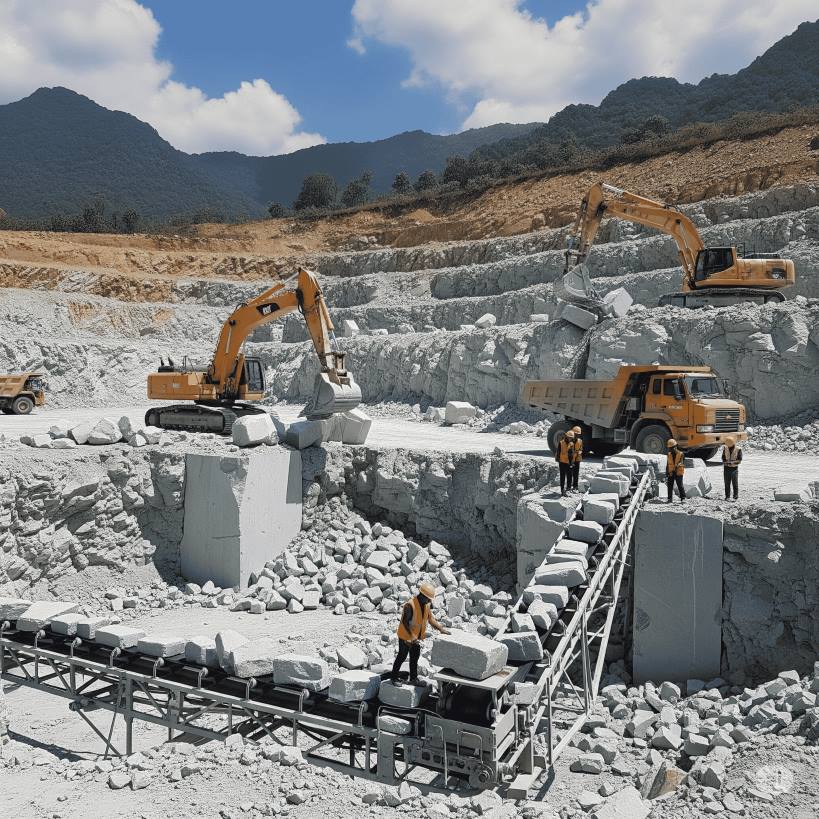
Soapstone deposits are found in metamorphic rock formations. Mining is typically conducted using open-pit techniques, where the soft rock is extracted from the surface.
Once the soapstone is mined, it undergoes several processing steps to prepare it for commercial use. The processing typically involves:
Crushing: The initial stage of processing involves crushing the large soapstone blocks into smaller, more manageable pieces.
Crushing, Grinding, and Processing
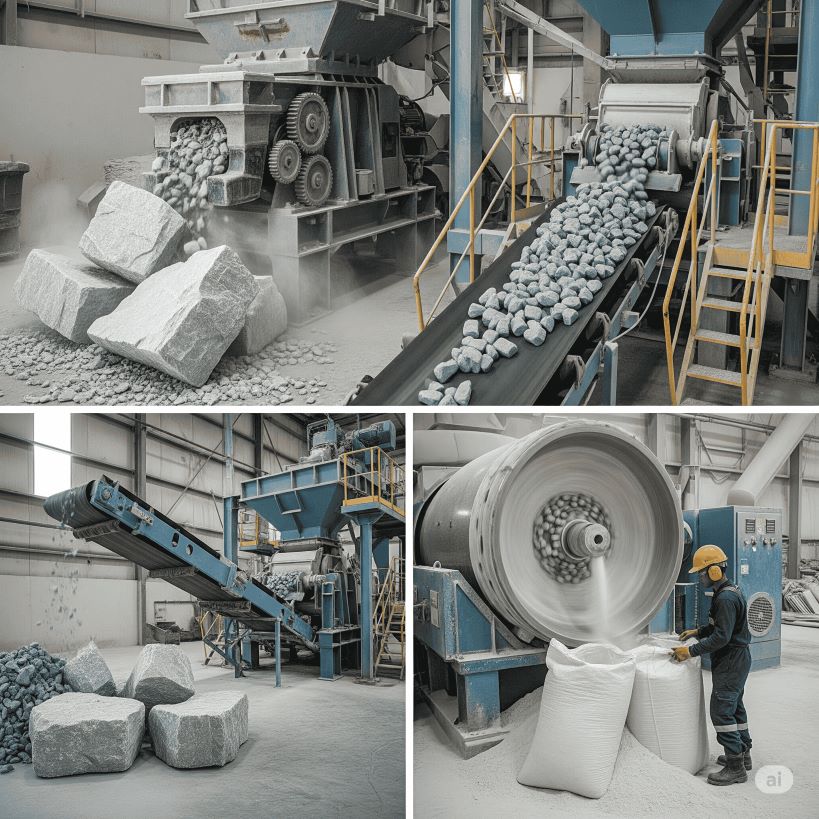
The soapstone is first crushed into smaller pieces using jaw crushers. Then, it is sent through pulverizers and grinding mills to produce fine powder. The particle size is adjusted according to application needs:
- Coarse powder for ceramics and construction.
- Fine powder for paints and paper.
- Ultra-fine powder for cosmetics and pharmaceuticals.
Advanced equipment such as air classifiers ensures that only powder of the required fineness is collected.
Quality Control and Purification of Soapstone
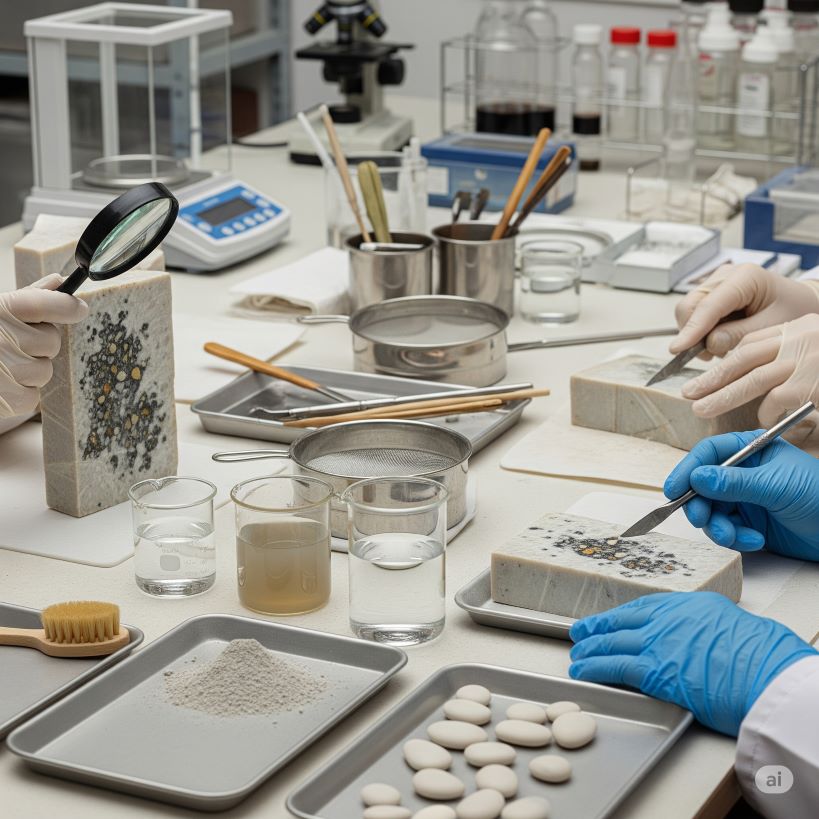
To ensure safety, soapstone powder undergoes purification processes:
- Flotation (to remove impurities)
- Magnetic separation (to eliminate iron traces)
- Chemical treatment (for food and pharmaceutical grade)
The powder is tested for:
- Particle size distribution
- Brightness (for paints and cosmetics)
- Moisture content
- Absence of harmful contaminants like asbestos
Different Grades of Soapstone Powder
Not all soapstone powder is the same—its processing and purity levels decide its grade and end use.
Industrial Grade
Industrial-grade soapstone powder is widely used in paints, ceramics, plastics, and rubber. It does not require ultra-high purity but must maintain consistent particle size and smoothness.
Cosmetic Grade
Cosmetic-grade soapstone powder is finely processed and purified to remove harmful substances. It is extremely smooth, silky, and safe for direct skin contact. It is used in baby powders, face powders, body powders, and skincare products.
Food & Pharmaceutical Grade
Food and pharma-grade soapstone powder undergoes the strictest purification to ensure it is completely safe for consumption. It is used in:
- Food industry: As an anti-caking agent in spices, flour, salt, and powdered foods.
- Pharmaceutical industry: As a filler and binder in tablet manufacturing.
These grades are monitored by global standards like FDA, WHO, and ISO certifications.
Industrial Applications of Soapstone Powder
Soapstone powder’s biggest demand comes from industrial sectors, thanks to its cost-effectiveness, versatility, and performance-enhancing qualities.

1. Use in Paints and Coatings
In paints, soapstone powder is used to:
- Improves smoothness and coverage
- Enhances opacity and brightness
- Increases durability and weather resistance
- Acts as a cost-effective filler
This makes it a key ingredient in wall paints, automotive coatings, and protective finishes.

2. Role in Plastics and Rubber Industry
In plastics, soapstone powder is used to:
- Increase tensile strength
- Improve heat resistance
- Reduce shrinkage and warping
- Provide a smooth finish
In rubber, it enhances elasticity, reduces stickiness, and adds durability, making it valuable for tires, footwear, and molded rubber products.
3. Applications in Ceramics
In ceramic, soapstone powder is used to:
- Improves strength – increases durability and reduces the chances of cracks or breakage.
- Enhances whiteness – gives a brighter, cleaner, and more appealing finish.
- Boosts heat resistance – makes ceramic products withstand high temperatures without damage.
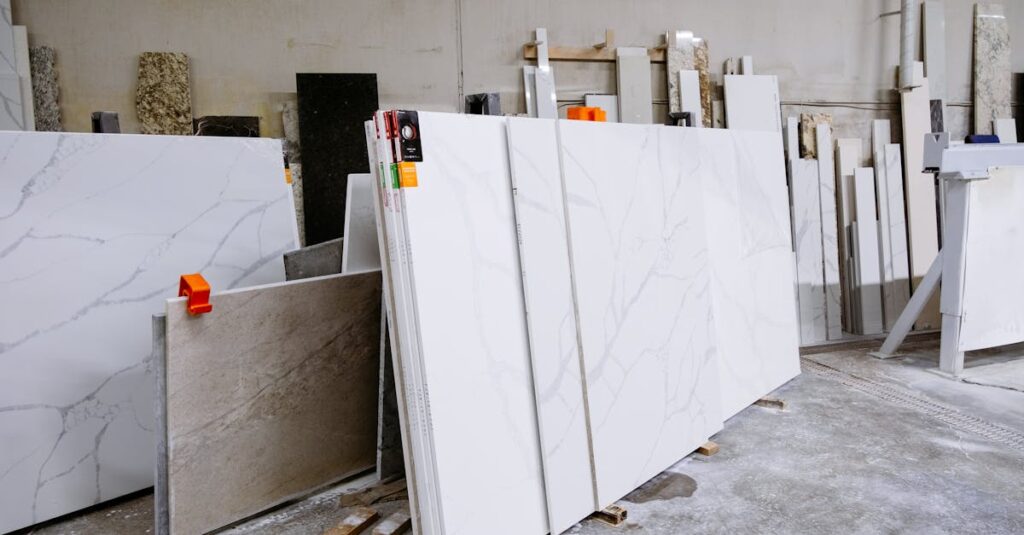
It is widely used in tiles, sanitary ware, and electrical insulators.

4. Soapstone Powder in Food and Pharmaceuticals
Soapstone powder plays an important role in the food and pharmaceutical sectors. Here, the reasons it is trusted worldwide.
A. Application as an Anti-Caking Agent
- In salt, it keeps granules free-flowing.
- In flour and spices, it prevents lumps.
- In powdered drink mixes, it ensures smooth blending.
B. Use in Tablet Manufacturing

5. Cosmetic and Personal Care Uses of Soapstone Powder
Soapstone powder has earned a special place in the cosmetic and personal care industry thanks to its smooth texture, absorbency, and hypoallergenic properties. Unlike some mineral powders that may irritate sensitive skin, soapstone powder is gentle, safe, and effective, which explains why it has been used for generations.
It is commonly used in:
- Compact powders & foundations
- Body powders & deodorants
- Face masks & creams –

6. Paper Industry
In paper manufacturing, soapstone powder serves as an important filler that adds both quality and efficiency to the process. It:
- Increases brightness and smoothness – giving the paper a cleaner, whiter, and more polished look.
- Improves printability – providing a uniform surface that ensures sharp text and vibrant images.
- Reduces ink absorption – helping colors stay on the surface while also lowering ink consumption.
Safety Regulations and Standards
Because soapstone powder comes into direct contact with food and medicine, it must meet strict global safety standards. Regulatory authorities like the FDA (Food and Drug Administration) and WHO (World Health Organization) monitor its usage.
Food-grade and pharmaceutical-grade soapstone undergo advanced purification processes to remove harmful contaminants such as asbestos or heavy metals. Only then is it approved for use in consumables.
This careful monitoring ensures that consumers receive only the safest and purest forms of soapstone powder.
Benefits of Using Soapstone Powder
Soapstone powder is favored across industries not just for its properties but also for the multiple benefits it offers to manufacturers and consumers alike.
Cost-Effective and Versatile
One of the biggest advantages of soapstone powder is its affordability. Since it is naturally abundant and easy to process, it is cheaper compared to many synthetic alternatives.
This wide usability makes it a cost-saving and reliable choice for industries worldwide.
Safe for Industrial and Personal Use
Another important benefit is its safety profile. Soapstone powder is non-toxic, chemically stable, and skin-friendly. When processed correctly, it is free from harmful contaminants, making it suitable for even the most sensitive applications like baby powders, medicines, and food.
Environmentally Friendly
In today’s eco-conscious world, soapstone powder stands out as a sustainable material. Since it is a natural mineral, it is biodegradable and does not harm the environment. Its mining and processing generally involve low energy consumption compared to synthetic chemical production.
Moreover, waste or leftover soapstone powder can often be recycled and reused in industries such as ceramics and construction, reducing environmental impact.
Market Demand and Global Trends
The market for soapstone powder is expanding globally as industries continue to recognize its value. Let’s explore the current demand and future trends.
Growing Demand in Construction and Industry
The construction industry is a major consumer of soapstone powder. It is used in paints, ceramics, flooring, and coatings. As cities expand and infrastructure grows, the demand for these products—and thus soapstone powder—continues to rise.
Industries like plastics, rubber, and paper also rely heavily on soapstone powder to improve product quality and reduce costs.
Export and Import Statistics
Countries such as India, China, and Brazil are among the leading producers and exporters of soapstone powder. India, in particular, exports high-quality soapstone to Europe, North America, and the Middle East, where demand for pure, asbestos-free powder is very high.
Importing countries prefer Indian soapstone because of its brightness, purity, and affordability.
Future Market Predictions
Experts predict steady market growth for soapstone powder over the next decade, driven by:
- Increasing demand for eco-friendly industrial materials
- Growth of the cosmetics and skincare industry
- Expansion in pharmaceutical and food sectors
- Rising global focus on sustainable raw materials
This ensures that soapstone powder will remain a high-demand commodity worldwide.
Environmental Impact of Soapstone Powder
Soapstone powder has a unique advantage compared to synthetic materials—it is naturally eco-friendly and sustainable.
Eco-Friendly Nature of Soapstone
Since soapstone is a natural mineral, it has a low environmental footprint. Unlike artificial fillers, it does not release harmful chemicals during use or disposal.
Being non-toxic and biodegradable, it causes no long-term environmental damage.
Sustainable Mining Practices
Many soapstone mining companies are adopting sustainable practices such as:
- Controlled extraction methods
- Land rehabilitation after mining
- Reducing energy and water use in processing.
These practices ensure that soapstone remains an eco-conscious resource for industries.
Recycling and Reuse Potential
Industries such as ceramics, plastics, and paints can recycle waste soapstone powder, ensuring minimal wastage. This aligns with the growing circular economy model, where resources are reused rather than discarded.
As industries move toward greener practices, soapstone powder’s sustainability and recyclability make it even more attractive.